Five Shifts in Customer Behavior That Quietly Rebuilt Your Supply Chain

Christian Timotti
25+ years running supply chain across the US, Brazil and Latin America · October 1, 2026
Customers changed how they buy over the last decade, and operations absorbed the cost of it without anyone writing it down. Five shifts, what each one actually did to the operation, and the one question to ask before you chase the next one.
Somewhere in the last ten years, your customer changed how they buy. You know this. Everyone knows this.
What gets discussed less is who paid for it. The expectations moved first, the operation absorbed them second, and almost nobody went back and counted. The cost landed as inventory in the wrong place, as freight you did not plan for, as a planner running two forecasts in one spreadsheet because the system only supported one.
I spent more than twenty years on the receiving end of these shifts at Newell Brands, Amway, Whirlpool, Philips, Coca-Cola and CEVA. Each one arrived as a commercial decision and became an operations challenge about a quarter later.
Here are the five that mattered, and what each actually did once it reached the warehouse.
Omnichannel did not add a channel. It added a second demand pattern.
What changed: Customers stopped choosing between the store and the website. They browse in one, buy in the other, return to a third. Internet access got cheap, phones got good, and convenience stopped being a feature and became the baseline.
What it did to the operation: Everyone talks about omnichannel as a fulfilment problem. The harder part is forecasting. Store replenishment is weekly and reasonably smooth. E-commerce is daily and spiky, and it responds to things your store never did, like a promotion going out at 9am or an influencer posting at midnight. Same product, two completely different demand behaviors, and most companies kept running one forecast against both.
That is where the inventory goes wrong. Not too much or too little in total, but the right total sitting in the wrong place for the channel that needs it.
What to do: Forecast the channels separately before you try to pool the inventory. If you cannot see demand by channel at SKU level, that is the first build, and it costs less than the safety stock you are currently carrying to cover your own blind spot.
Personalization multiplies your planning problem, not your product range
What changed: Data got cheap enough to make tailored offers, customers came to expect them, and competitors used variety as a way to stand apart.
What it did to the operation: Every customization option multiplies the number of things you have to plan. Ten base products with three finishes and four configurations gives you 120 things to plan, not seventeen. And the new ones behave differently from the originals, because low-volume variants have no stable demand pattern to forecast against.
This is where service levels quietly fail. The high-volume items stay fine. The long tail generates most of the stockouts, most of the expedites, and most of the customer complaints, while the overall availability number still looks acceptable because the fast movers carry the average.
What to do: Segment before you promise. ABC/XYZ analysis separates the items you can forecast from the ones you cannot, and the ones you cannot need a different policy, usually made-to-order or a deliberately higher buffer. Treating all SKUs with one inventory rule is the most common and most expensive mistake in this shift.
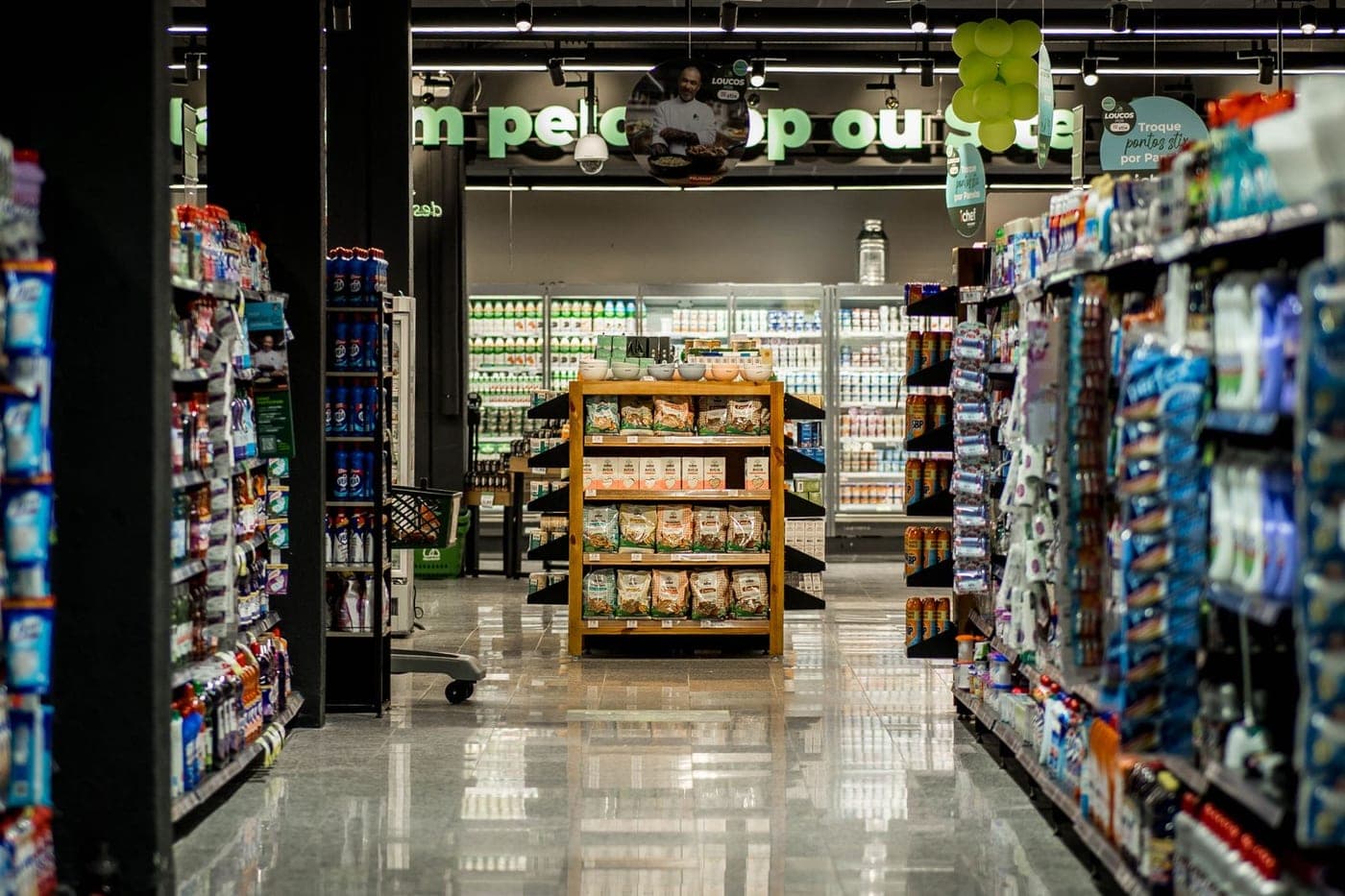
The long tail generates most of the stockouts while the availability number still looks fine.
Sustainability became a constraint, not a campaign
What changed: Customers started asking where things come from, regulators started requiring answers, and a generation of brands built their positioning on it.
What it did to the operation: It moved from marketing into the operating model. Packaging specifications changed. Supplier audits became a real process with real cost. Traceability stopped being a nice-to-have the day a regulator or a major customer asked for it in writing.
The honest part, which most articles skip: a lot of sustainability work raises cost in the short term, and a business case built on brand value rarely survives contact with a CFO. The initiatives that stick are the ones that also remove cost. Packaging reduction lowers material spend and improves cube utilization in a trailer. Route density cuts emissions and kilometers at the same time. Those get funded. The ones that only improve the report do not.
What to do: Lead with the projects where the environmental case and the cost case point the same direction. You will fund more of them, and you build the credibility to argue for the harder ones later.
Speed became the promise. Reliability is what customers actually wanted.
What changed: One retailer trained an entire market to expect delivery in a day or two, and everyone else inherited the expectation without inheriting the network that supports it.
What it did to the operation: Same-day and next-day cost more than the margin on most orders. Not occasionally. Structurally. You carry more inventory in more locations, you ship smaller and more often, and your freight cost per unit goes up while your order value stays the same.
Here is the part worth sitting with. In my experience customers may accept a longer date they can trust far more readily than a short date you miss. The complaint is almost never "this took four days." It is "you said Tuesday."
What to do: Measure what you promise, not just what you deliver. If your on-time performance is calculated against a date you revised internally, you are measuring your own flexibility rather than the customer's experience. Fix the promise before you buy the speed.

The complaint is almost never "this took four days." It is "you said Tuesday."
Visibility solved one problem and created another
What changed: COVID pushed everything digital that could go digital; payments moved online, and self-service became normal.
What it did to the operation: Giving customers tracking did not reduce the volume of contact. It changed what people contact you about. Before, they called because they did not know where the order was. Now they call because they can see it, and it has not moved since Thursday.
Visibility makes your execution visible too. Every delay that used to be absorbed quietly inside your lead time is now a notification on someone's phone.
What to do: Before you expand tracking, check that what it will expose is worth exposing. Visibility into a reliable process builds trust. Visibility into an unreliable one distributes the anxiety. The sequence matters.
How Supply Chain Impacts the Consumer Journey
Interview with Paulo Bertaglia · June 2025
Interview in Portuguese.
What This Adds Up To
The five shifts have one thing in common. Each arrived as a customer expectation, got agreed commercially, and became an operations constraint without the operation being part of the conversation.
That is the pattern worth breaking. Not because operations should have a veto, but because the cost is real and somebody should see it before it is committed, rather than discovering it in next quarter's freight line.
The One Question
Before you commit to the next thing your customer expects, ask what it will do to three numbers:
Where does inventory have to sit, and who carries the cost of that?
What happens to cost per order, including the freight nobody has modeled?
What are we now promising, and can we actually hit it on a bad week?
If nobody in the room can answer those three, you have agreement without a decision.
Reflection
Think about the last customer-facing commitment your company made.
Now ask who in operations was in the room when it was decided.
Before you close this
Who came to mind while you were reading?
If someone you work with would recognize themselves in one of these signals — or would sleep better knowing what to look for — send it to them. It is a shorter conversation than the one that happens two years from now.
About the Author
Christian Timotti
Founder of Carpe Omnia. 28+ years of executive experience in supply chain, operations, and leadership development.